What makes Plano different from a turf-install perspective
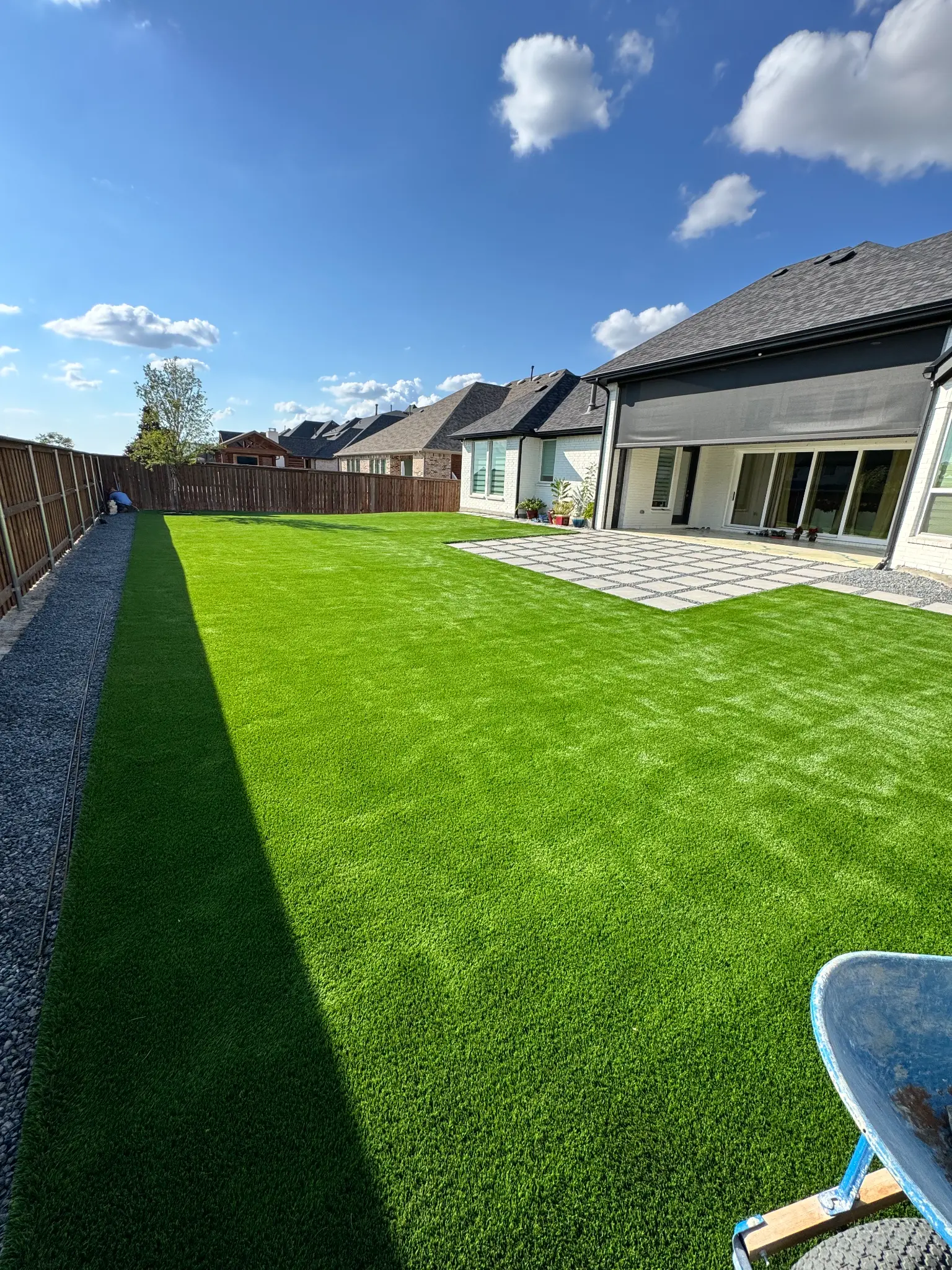
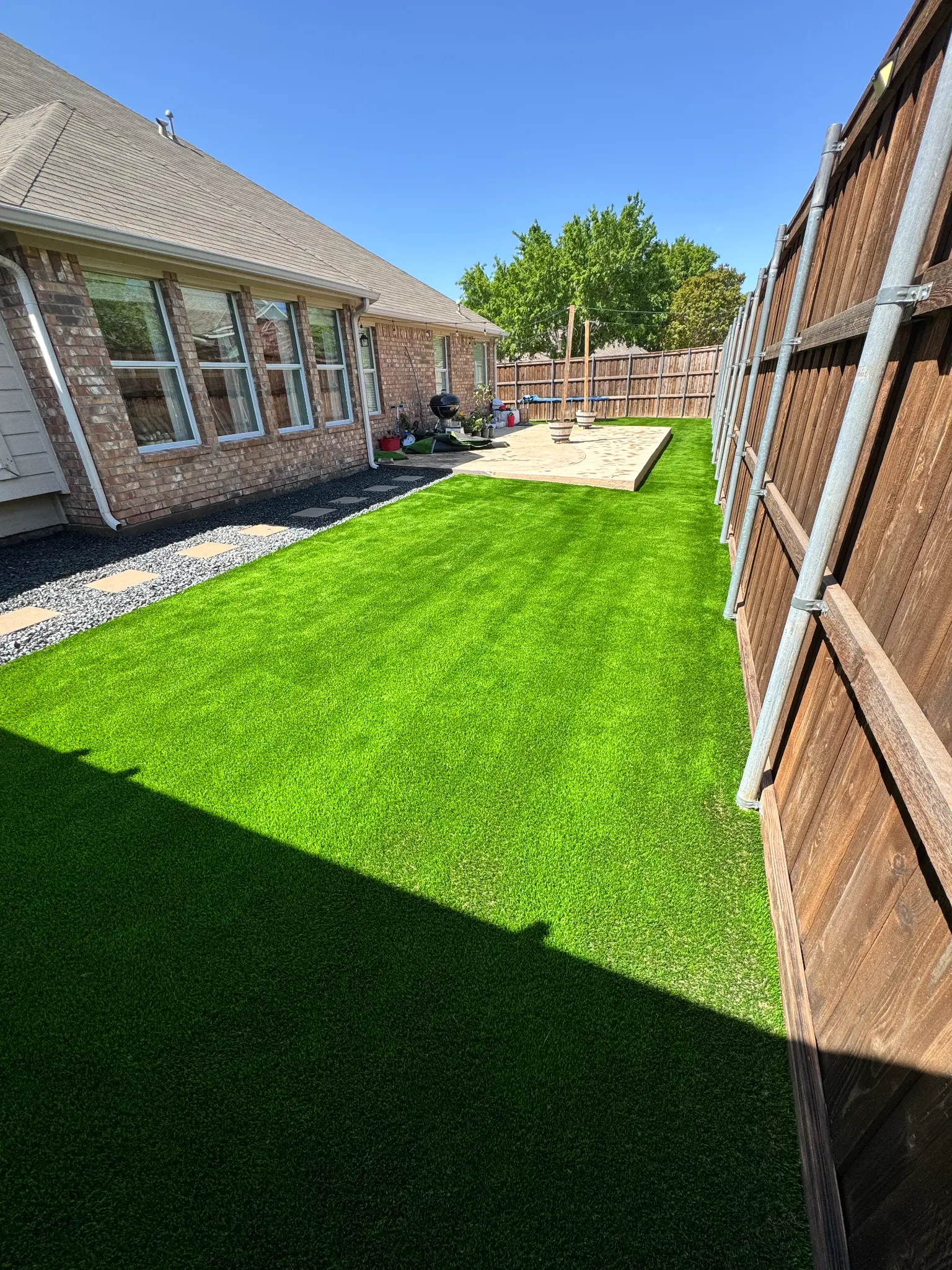
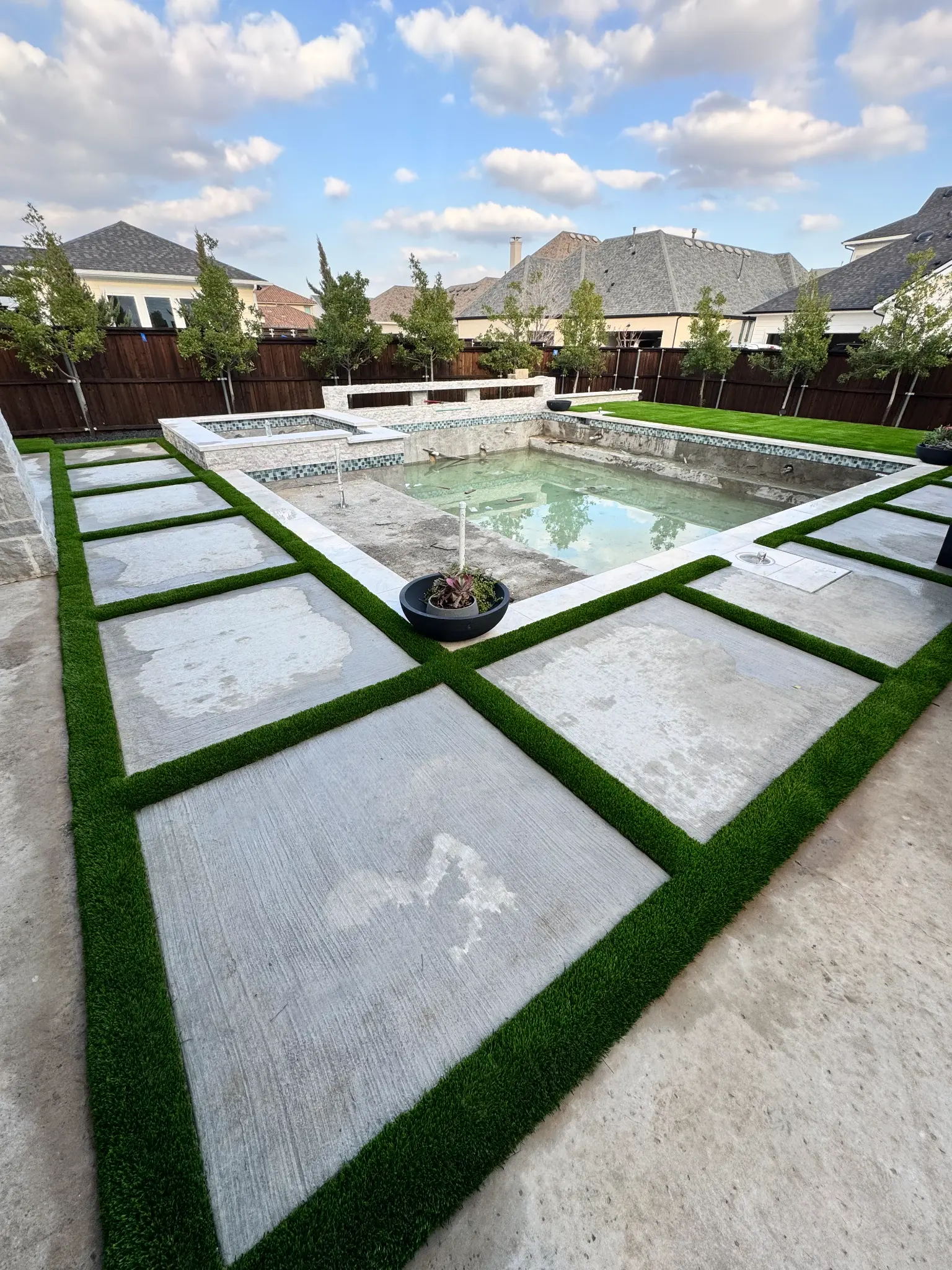
Many Plano properties have established trees, fences, irrigation, existing hardscape, and narrower access than an open new-build lot, but conditions vary by address. Those features can affect removal, material movement, root protection, drainage, and restoration. A site walk should document the actual route and constraints rather than relying only on satellite measurements.
Expansive North Texas clay makes subgrade, moisture, compaction, and drainage important discussions. Soil conditions can vary within a property and no base can guarantee that ground movement stops. Ask the installer to explain the proposed excavation, aggregate, depth, compaction, grade, and drainage for the observed site.
The 10-point hiring checklist for Plano homeowners
1. Confirm Plano-specific install experience
Ask for relevant project examples or references when customers have agreed to share them. Local experience can be useful, but neighborhood names alone do not prove the proposed scope fits your property. Compare visible project details, written specifications, and how the estimator addresses the actual access, drainage, and use.
2. Get the base spec in inches and material
Emerald Green Turf normally plans around a 4-inch compacted decomposed-granite base where site conditions allow. The proposal should state material, planned depth, excavation, compaction, grade, drainage, and any site-specific exception. A phone answer cannot replace inspection of the property.
3. Verify insurance with a fresh COI
Ask for current evidence of the coverage a contractor states it carries, and read the named insured, dates, and policy details. Utility locating, excavation responsibility, and property protection should be discussed for the project. Direct coverage or liability questions to the insurer or a qualified adviser.
4. Read both warranties
Separate the manufacturer product warranty from any contractor workmanship terms. The turf products Emerald Green Turf uses carry 10–15 year manufacturer warranties, but coverage, exclusions, required care, and transfer rules vary. Read the actual documents and ask how a claim is started.
5. Spec the turf fiber and pull the data sheet
Ask for the manufacturer and exact product data, including pile, face weight, backing, intended use, warranty, and any available heat-testing context. A cool-touch label is not a guaranteed yard temperature. Shade, color, infill, air movement, moisture, time of day, and nearby masonry also affect the surface.
6. Spec the pet infill by name
Pet areas need a site-specific drainage, cleaning, edge, and infill plan. Zeolite infill can help manage ammonia odor where appropriate, but it does not replace waste pickup and rinsing. Ask for the proposed product and quantity in writing with care guidance for the household's dogs and use.
7. Confirm the crew walked your yard
Ask how observations from the estimator reach the installation team, who communicates field changes, and who handles questions afterward. Different legitimate companies use different roles; the important issue is that access, roots, drains, utilities, and exclusions are documented and owned by a named contact.
8. Ask about drainage around mature trees
Established trees can have roots near the work area, and roots, trunks, grade, and water needs deserve protection. The correct approach depends on species, condition, root location, and project scope. Ask how conflicts are identified and when a qualified arborist or other specialist should advise before excavation.
9. Read the contract — specifically the change-order clause
Existing yards can conceal irrigation, roots, old hardscape, fill, or utilities. The contract should explain what was observed, what remains unknown, and how price or scope changes require written approval before added work proceeds. Do not assume every unknown can receive one universal unit rate.
10. Make sure the owner walks the site — not just a salesperson
Ask who inspects, estimates, supervises, communicates, and responds after installation. An owner-led model is one valid structure, but it is not the only legitimate one. Accountability, documented handoff, and a clear decision-maker matter more than a job title.
Premium vs. cheap-quote: how Plano contracts compare
| Line item | Useful written detail | Question when detail is missing |
|---|---|---|
| Site walk | Access, grade, drainage, roots, and use documented | Was the quote based on this yard? |
| Base | Material, depth, compaction, and site exceptions | What exactly is included below the turf? |
| Trees | Known root conflicts and specialist limits identified | How will roots and grade be protected? |
| Changes | Written approval process before added work | Who can authorize cost or scope changes? |
| Team | Named estimating, field, and follow-up contacts | Who owns the handoff and questions? |
| Warranty | Manufacturer and workmanship terms separated | What is covered, excluded, and required? |
| Infill | Type, purpose, and quantity | How does it fit pets and traffic? |
| Contract | Line items, exclusions, payments, and changes | Which assumptions are not included? |
Plano-specific questions homeowners ask us
Do Plano HOAs require a permit for artificial turf?
Permit, utility, drainage, easement, and HOA requirements depend on the property and scope. Verify current City of Plano guidance and the association's current documents before work. When review is required, product information, photos, dimensions, drainage notes, and a site plan may be requested.
How long is a Plano install?
Many residential projects are discussed in a multi-day planning window, but size, access, removals, drainage, weather, product, and combined hardscape change the schedule. Ask for the sequence and expected duration after the property is inspected.
How should I compare Plano quotes?
Compare the scope, not the headline number. Base, access around trees and side yards, drainage, removals, turf, infill, edges, restoration, warranties, and exclusions can all explain a difference between two Plano proposals. Ask for line items in writing.
Should I be worried about my mature trees?
Ask how the planned footprint interacts with visible roots, trunks, grade, and water. The correct answer depends on the tree and site, and some conflicts should be reviewed by a qualified arborist before excavation rather than solved with one universal construction detail.
Get a free Plano site walk
Request a free onsite review of the yard, access, drainage, use, and surrounding surfaces. Nick leads the estimating and project-planning process, and the proposal is written for the actual scope without a high-pressure pitch.